Businesses adopt automated answering services for a simple reason: missed calls are expensive. They create lost revenue, poor first impressions, after-hours gaps, and unnecessary pressure on front-desk or support teams. That problem gets worse during peak call periods, when even strong teams struggle to keep up with inbound volume.
In 2026, automated answering means more than a basic phone menu. It can include auto attendants, IVR systems, AI receptionists, and AI voice agents that answer instantly, understand intent, route intelligently, capture key details, and in some cases complete tasks before a human ever joins the call. Providers now differ not just in how they route calls, but in how much real work they can handle and how much visibility they give your team afterward.
This guide compares the top automated answering services for businesses in 2026, explains what each one is best for, and helps you choose based on call complexity, operational needs, and budget fit.
An automated answering service is a phone system or call-handling service that automatically answers inbound calls, determines what the caller needs, and either routes the call, responds, or captures a message. In simple setups, that may mean a greeting and a menu. In more advanced setups, it can mean collecting caller details, answering questions, booking appointments, qualifying leads, or handing the call off with context already attached.
That difference matters because many products are sold under similar labels while doing very different jobs. Some are still routing-first. Others are service-first. Others are now AI-first and can do far more than pass the call to the next queue.
| Type | Main role | Best for | Typical functions |
|---|---|---|---|
| Automated answering | Routing | Simple call handling | Greetings, menus, routing, voicemail |
| Virtual receptionist | Front-desk support | Reception-style coverage | Greeting, Q&A, detail capture, routing |
| IVR | Workflow handling | Structured self-service | Data capture, logic, self-service, transfer |
These terms are often used interchangeably, but they do not describe the same thing. Understanding the difference helps prevent businesses from buying a phone menu when they actually need conversation handling, or buying a receptionist-style service when they really need workflow execution.
This usually refers to auto attendants, business greetings, routing menus, voicemail capture, and business-hours logic. The main job is to answer reliably and send callers to the right department or inbox with as little manual effort as possible. This is still useful for many businesses, especially when call paths are predictable.
A virtual receptionist can mean a human answering service or an AI receptionist that acts like a front desk. In 2026, more vendors are using AI receptionist language for products that greet callers, answer common questions, capture details, route calls, and sometimes handle appointment-like workflows. Zoom Phone AI Receptionist is one example of this positioning.
IVR goes beyond greeting and basic routing. It can collect information, apply business logic, support self-service, and move the caller through a structured flow before transfer or resolution. A modern AI-powered IVR may overlap with automated answering, but the core difference is depth: IVR is usually about structured workflow progression rather than just getting the caller to a person.
Choosing the right answering service is less about the label on the homepage and more about how the system behaves once calls start coming in. A useful comparison should look at routing quality, AI capability, integrations, operational visibility, and pricing structure, not just whether the product can greet callers.
At a minimum, businesses should look for multi-level menus, business-hours logic, holiday schedules, failover routing, voicemail handling, and clear admin controls. This remains the baseline for any modern business phone setup, especially for distributed teams and multi-location organizations. RingCentral, Nextiva, GoTo Connect, Ooma Office, and Dialpad all emphasize routing, business rules, and auto attendant capabilities in this category.
This is where the market starts to split. Some tools still mainly route calls. Others can answer questions, qualify leads, book appointments, support workflows, and route with intent and summaries. If the business needs reduced transfers and fewer repeat explanations, AI capability matters far more than menu depth. CallBotics, Dialpad AI Agent, and Zoom Phone AI Receptionist are stronger in this regard than basic auto-attendant products.
The most useful answering systems connect with CRM, helpdesk, scheduling, ticketing, or internal systems so they can do more than route. Integrations reduce manual work and make call handling more operationally useful. Dialpad highlights marketplace and AI-powered workflows, RingCentral emphasizes integrations in its plans, and CallBotics positions workflow execution and dynamic transfer as core features.
Reporting matters because the quality should improve over time. Analytics, transcripts, summaries, and call trend visibility help teams spot missed-call patterns, routing issues, and script gaps. Zoom Phone AI Receptionist explicitly highlights reporting and analytics, Dialpad emphasizes live transcription and post-call summaries, and 8x8 positions analytics as part of its business communications platform.
Businesses handling sensitive customer data should evaluate permissions, recordings, retention controls, and how the product manages access to transcripts and call data. Enterprise-grade deployments also need clarity on compliance posture and governance, especially in regulated workflows. CallBotics positions SOC 2, HIPAA, and GDPR readiness across its enterprise messaging, while major UCaaS platforms also emphasize admin and control layers.
Automated answering services can be priced per user, per minute, per line, as a platform bundle, or as enterprise custom quotes. The key is understanding what is included, what counts as billable usage, and whether AI or receptionist-style features are add-ons. Grasshopper, GoTo Connect, RingCentral, Dialpad, Ooma, and Vonage all offer different pricing structures, making apples-to-apples comparisons difficult without looking beyond the headline price.
Want clearer pricing without hidden answering-service fees? Explore CallBotics pricing to budget for AI-powered call handling with greater confidence.This list combines business phone platforms, auto attendant tools, AI answering products, and modern virtual receptionist-style solutions. Each option below includes what it is best for, where it stands out, and where it fits best in real business use.
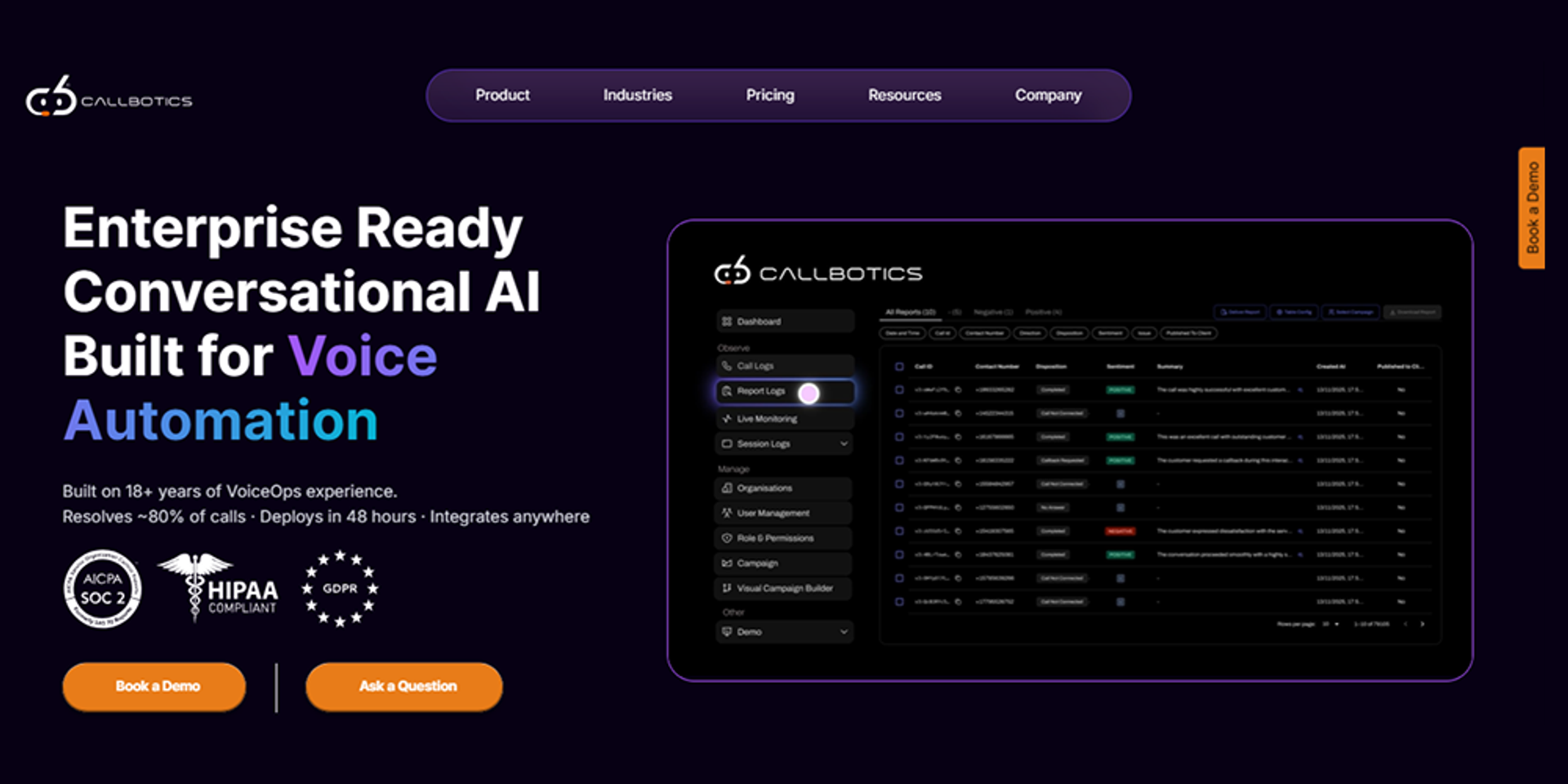
CallBotics is the strongest fit for businesses that want automated answering to do more than route. Its positioning is clearly AI voice-first: instant answering, dynamic call transfer, appointment booking, workflow execution, summaries, and enterprise-focused voice automation. That makes it a better fit for teams that want intent-based answering, real task handling, and smoother handoff to humans with context preserved. CallBotics also emphasizes 48-hour deployment, enterprise readiness, and operational visibility rather than just phone system basics.
Best for: Businesses that want AI answering with resolution-oriented workflows, not just menus
What makes it different: Intent-based routing, dynamic transfer, workflow actions, appointment handling, summaries, and enterprise AI voice positioning
Where it fits well: High-volume customer support, scheduling, intake, triage, and overflow coverage
Considerations: Best fit when the business needs AI voice workflows rather than only a basic auto attendant
Pricing: Tiered subscription + Custom / enterprise-led
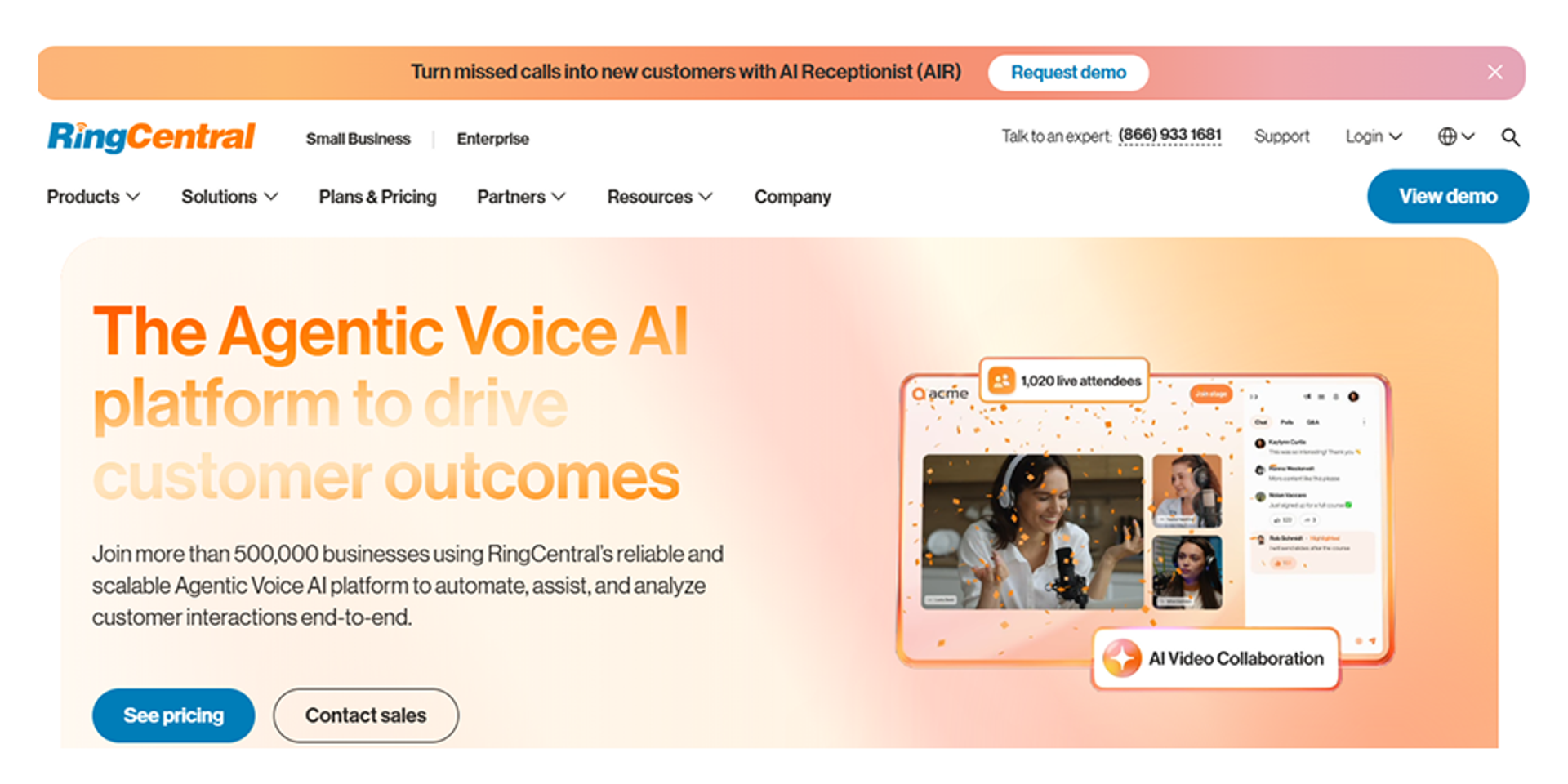
RingCentral remains a strong option for large businesses that need dependable phone infrastructure, administrative controls, auto-attendant features, and multi-location support. Its RingEX platform includes a built-in auto attendant, advanced call routing, templates, bulk user setup, and broader unified communications capabilities. It is especially useful when the business already needs a mature UCaaS stack and wants to embed automation into that broader environment.
Best for: Larger organizations needing established business telephony with strong routing controls
What makes it different: Mature admin controls, multi-location support, bundled UCaaS, built-in auto attendant
Where it fits well: Enterprise phone deployments, distributed organizations, formal IT-managed environments
Considerations: Better for routing and infrastructure than for deep AI task handling
Pricing: Per-user subscription
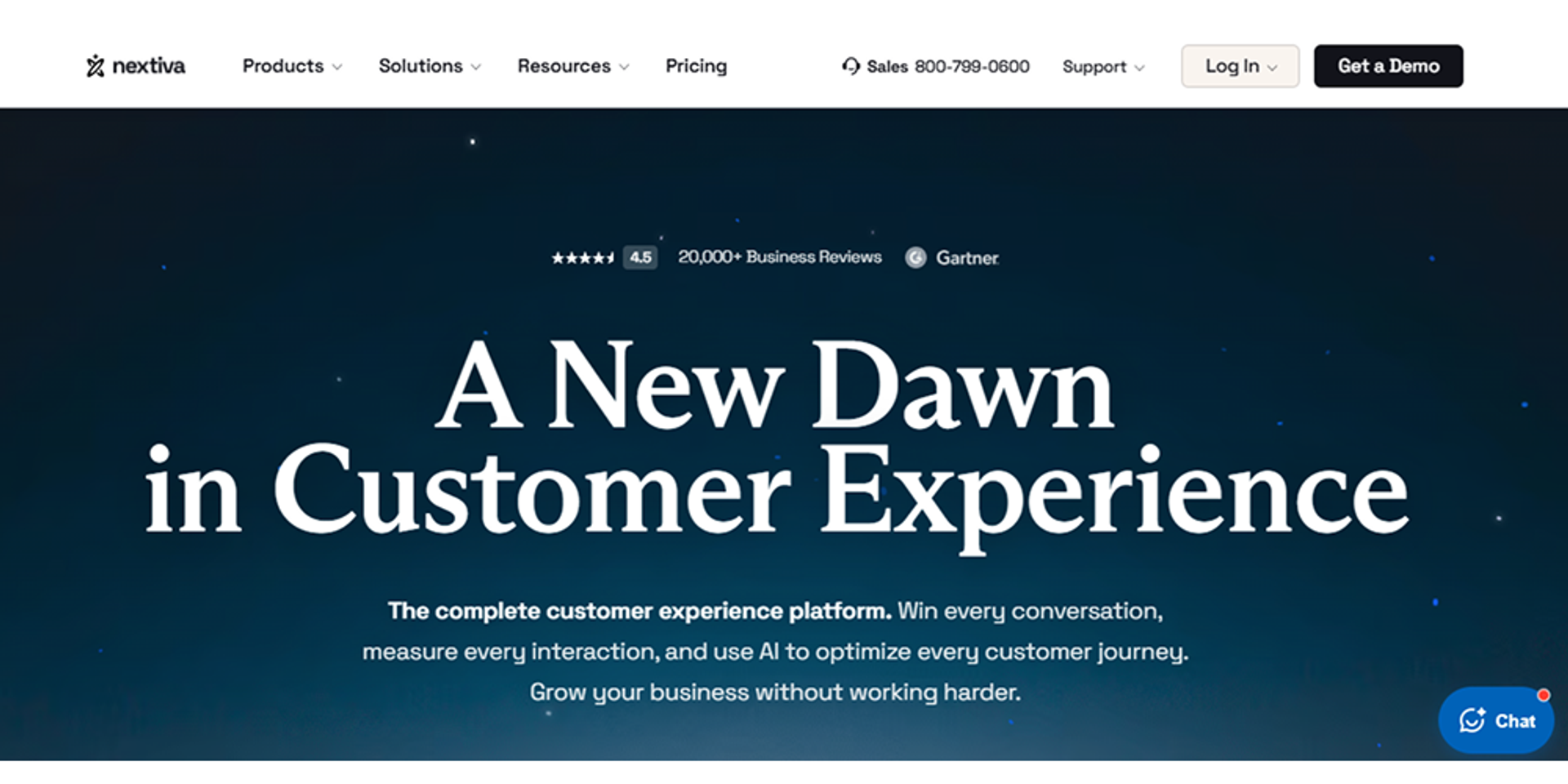
Nextiva positions itself as a full customer experience platform combining business phone, contact center, AI receptionist, and unified CX. Its auto attendant capabilities are straightforward and useful for businesses that want virtual receptionist-style answering within a broader business communications stack. It is a good fit for teams that want a single platform for voice, customer communications, and basic automation without moving to a more AI-native deployment model.
Best for: Businesses that want one platform for calling, routing, and broader customer communications
What makes it different: Unified CX positioning, auto attendant, phone system, plus broader workflow tooling
Where it fits well: SMB and mid-market teams consolidating communications tools
Considerations: More of an all-in-one platform than a specialized AI call answering engine
Pricing: Subscription / plan-based
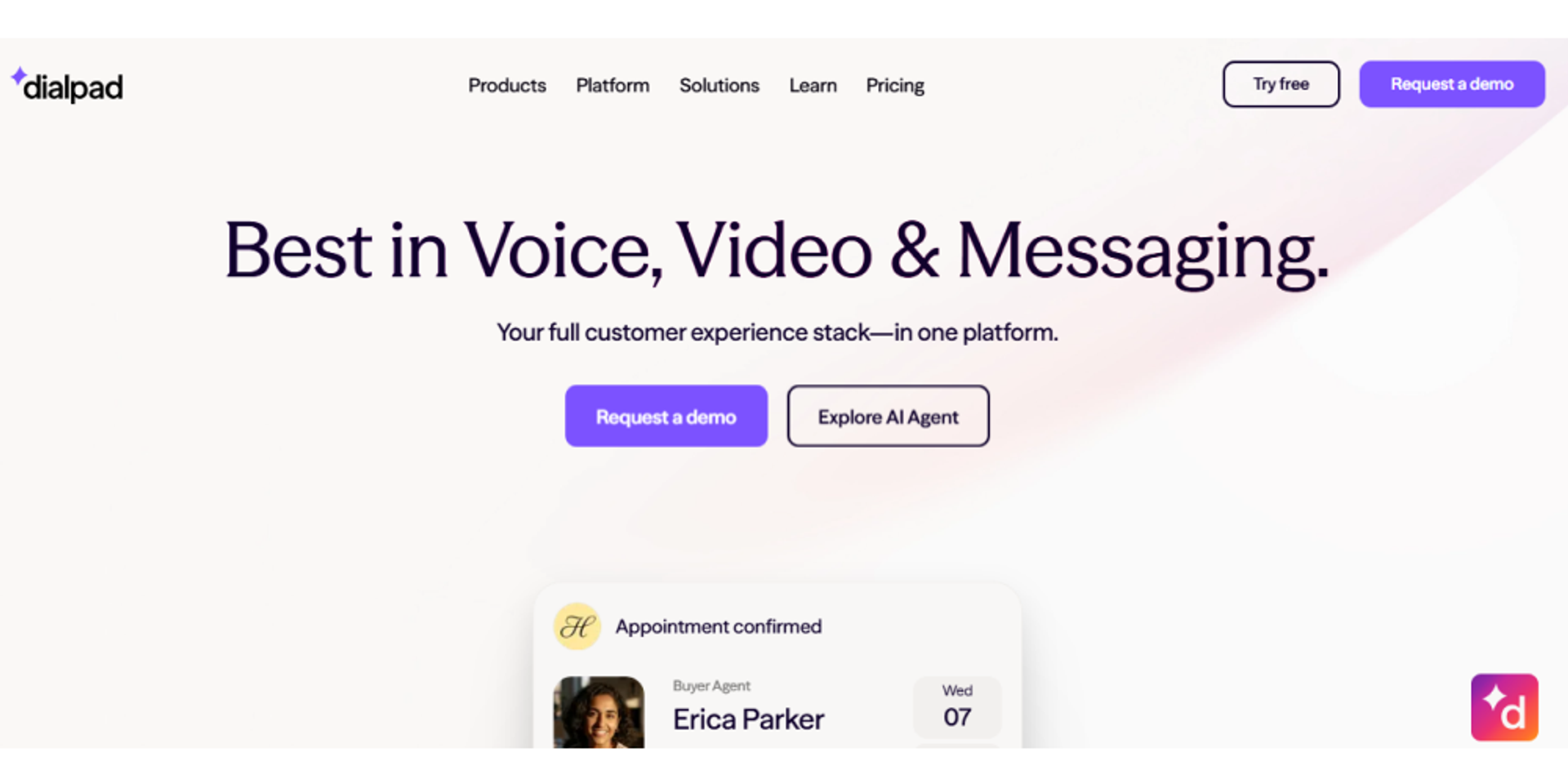
Dialpad is a strong option for teams looking for a modern phone and contact center platform with embedded AI. It offers multi-level auto attendant, live transcription, post-call summaries, and an AI Agent product for autonomous voice and chat coverage. This makes it stronger than traditional phone providers on AI-assisted interaction quality, while still fitting into a familiar business communications environment.
Best for: Teams that want modern calling with built-in AI visibility and optional AI agent expansion
What makes it different: Live transcription, summaries, AI-native positioning, auto attendant, AI Agent offering
Where it fits well: Growing support and sales teams that want smarter calling without leaving UCaaS
Considerations: AI depth depends on product tier and deployment model
Pricing: Per-user with product-based add-ons
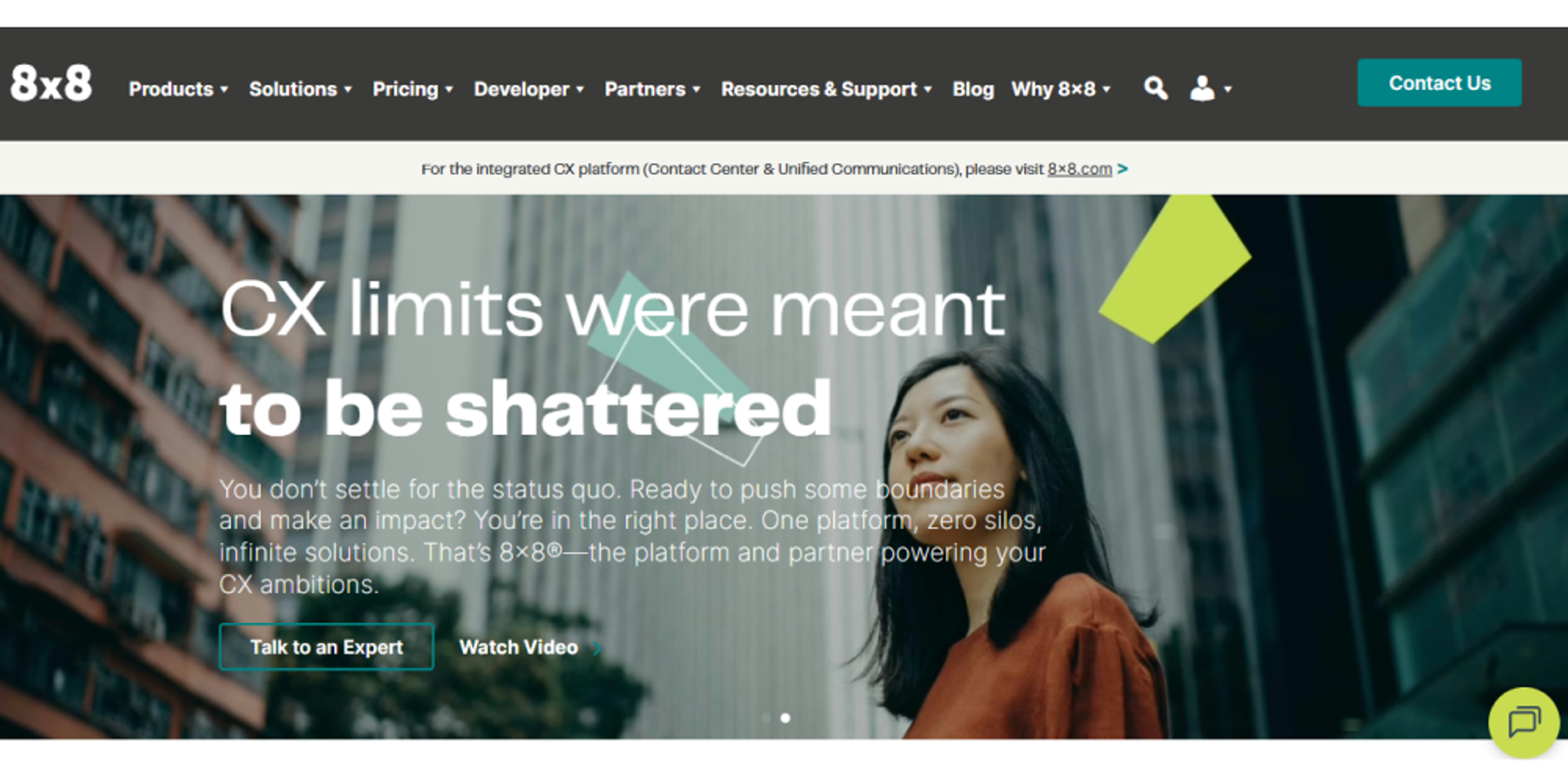
8x8 is a practical choice for global organizations and distributed teams that need flexible business communications and analytics across regions. Its mix-and-match packaging, contact center options, and business phone analytics make it suitable for companies with more complex geographic requirements or broader communications environments. It is particularly relevant when international operations matter more than the depth of front-desk AI answering.
Best for: International businesses and distributed teams
What makes it different: Global communications posture, analytics, mix-and-match packaging
Where it fits well: Multi-region operations and international business phone deployments
Considerations: Strong global fit, but less specialized around AI receptionist-style answering
Pricing: Custom / quote-based
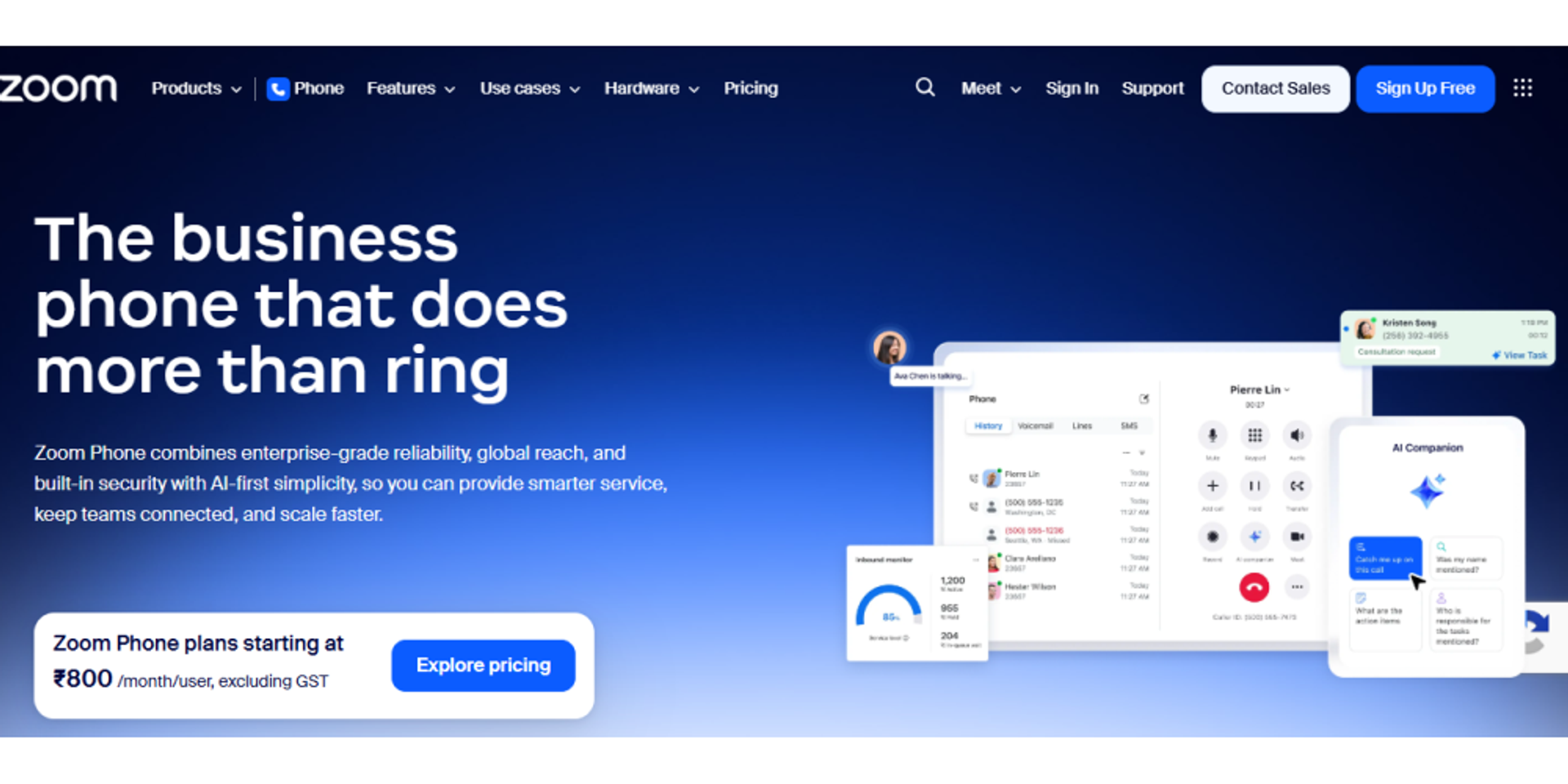
Zoom Phone is a practical option for businesses already invested in the Zoom ecosystem. Its AI Receptionist and AI Concierge messaging position it as more than just a phone add-on, especially for front-desk-like answering, FAQs, intent-based routing, call analytics, and appointment-style workflows. For teams already using Zoom heavily, this reduces change management and simplifies rollout.
Best for: Teams already standardized on Zoom
What makes it different: Native Zoom fit, AI receptionist functionality, analytics, routing, plus FAQ handling
Where it fits well: Companies wanting light-to-moderate AI answering inside an existing Zoom stack
Considerations: Best value when Zoom is already core to the communications environment
Pricing: Subscription/add-on style
Vonage is the best fit for teams that want programmable communications and custom integrations rather than a fixed, out-of-the-box answering experience. Its business communications platform and API pricing posture make it attractive for organizations with developer resources or custom workflow needs. This is less about turnkey receptionist simplicity and more about flexibility.
Best for: Teams that want programmable voice and custom workflow handling
What makes it different: Strong API posture, customization flexibility, usage-based API options
Where it fits well: Product teams, embedded voice experiences, tailored call flows
Considerations: Better for technical customization than plug-and-play receptionist needs
Pricing: Mix of subscription and usage-based API pricing
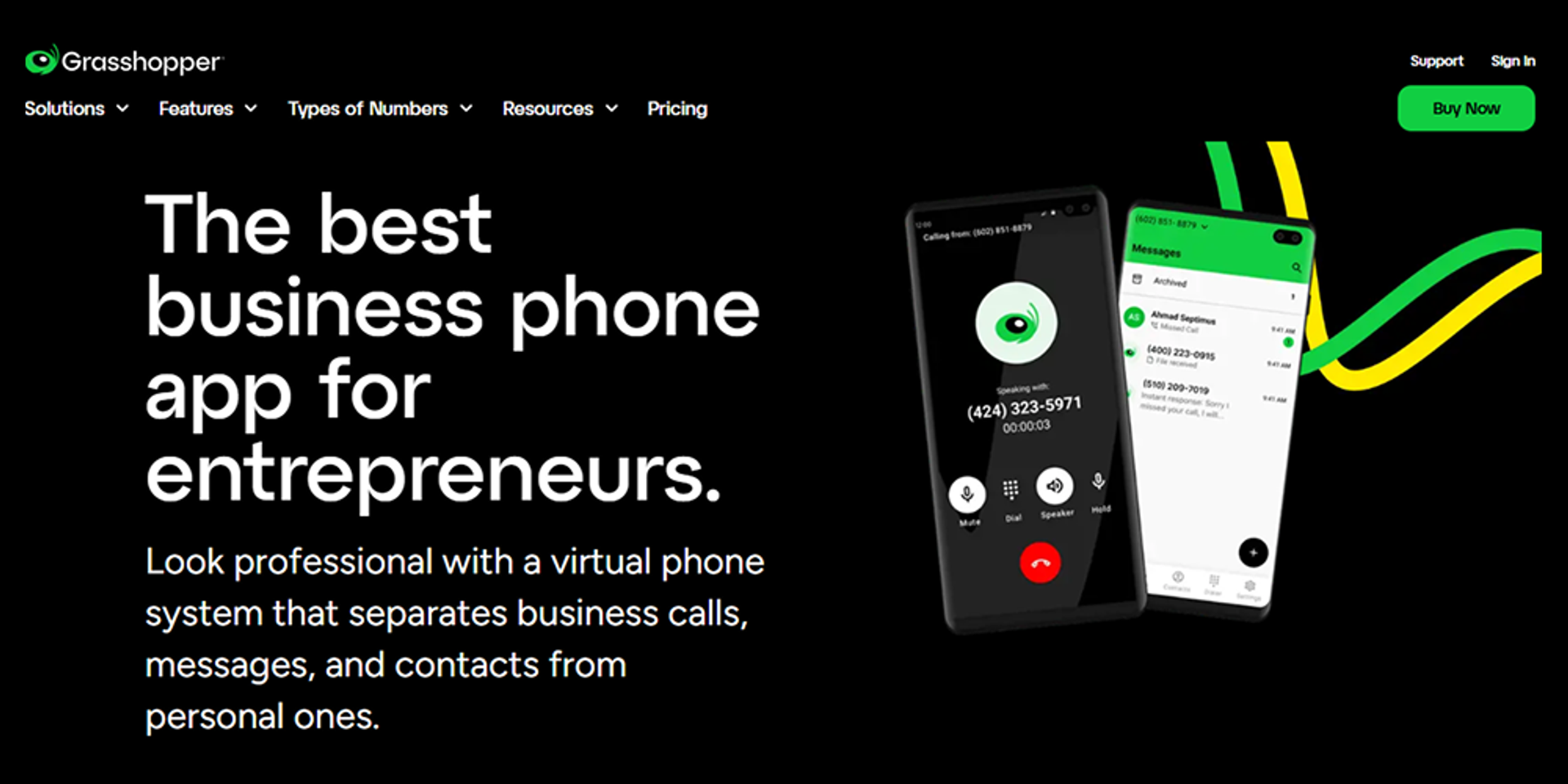
Grasshopper remains one of the simplest options for small businesses that mainly need a professional phone presence, basic routing, voicemail, and after-hours handling. It is not trying to be an enterprise AI answering platform. Its value is simplicity, low setup complexity, and small-business-friendly packaging.
Best for: Small businesses that need simple routing and voicemail handling
What makes it different: Straightforward setup, lower complexity, small business focus
Where it fits well: Solo operators, small teams, simple front-desk coverage
Considerations: Limited to businesses that need deeper workflows or AI resolution
Pricing: Flat plan subscription
Ooma Office is a practical choice for businesses that want a virtual receptionist and basic business phone features without unnecessary complexity. Its virtual receptionist and plan structure are easy to understand, which makes it attractive for smaller operations that need dependable routing and answering without moving into more advanced AI handling.
Best for: Businesses needing straightforward menu-based answering
What makes it different: Virtual receptionist simplicity, approachable setup, predictable small business fit
Where it fits well: SMBs with clear department routing and moderate call complexity
Considerations: Better for classic auto attendant needs than AI-first answering
Pricing: Per-user subscription
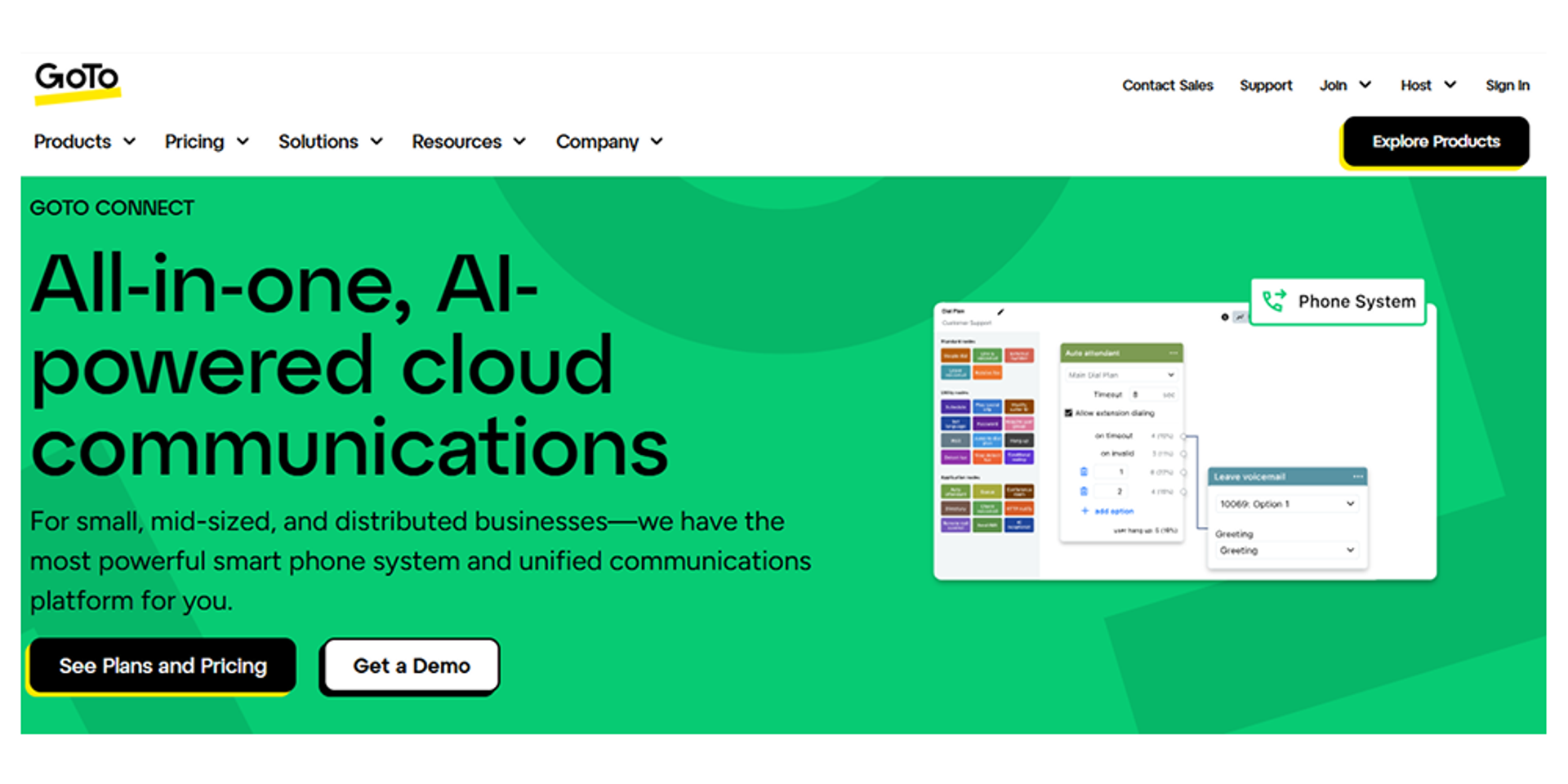
GoTo Connect is a strong option for teams that want reliable cloud telephony with easy administration, unlimited auto attendants, customizable dial plans, and a relatively simple management experience. It is a good fit for organizations that need a solid phone-and-routing layer without overcomplicating deployment.
Best for: Teams that want a reliable business phone and routing with simple management
What makes it different: Unlimited auto attendants, customizable dial plans, clean admin experience
Where it fits well: Small and mid-sized businesses, distributed teams, operationally simple routing setups
Considerations: Strong on phone system management, less differentiated on AI answering depth
Pricing: Subscription / sales-led
The right choice depends less on brand recognition and more on how your calls actually behave. The most important variables are call volume, call complexity, staffing model, and whether the business needs routing only or real resolution.
Choose a basic automated answering system if your main need is greeting callers, routing them to a few predictable destinations, handling after-hours calls, and capturing voicemail reliably. Businesses with simple call paths and limited front-desk complexity often do not need AI-first infrastructure.
Choose AI call answering if the business deals with high call volume, repeated customer questions, long queues, transfer friction, appointment workflows, or structured service interactions that can be partially or fully automated. This is where AI voice creates the most measurable value, because it can understand intent, collect context, resolve simple requests, and improve handoffs.
Choose a hybrid setup if some calls are simple and predictable while others are more ambiguous or workflow-heavy. In many businesses, the best answer is not replacing everything. It uses basic routing for simple department selection, while AI handles more complex intents, overflow calls, after-hours intake, and high-friction workflows.
Want to see how an enterprise AI voice platform fits into modern answering workflows? Explore CallBotics.Modernizing automated answering means moving beyond static menus and missed-call containment. It means answering instantly, understanding what the caller needs, collecting the right context, resolving common requests where possible, and transferring with enough detail that the human team can take over without restarting the interaction. That is where CallBotics is strongest. Developed by teams with over 17 years of contact center experience, it is built for businesses that want to answer to improve customer experience and operational efficiency, not just reduce receptionist workload.
What makes CallBotics different:
The best automated answering service in 2026 depends on what you want the system to do after it picks up the call. If the goal is simple routing, voicemail, and hours-based menus, traditional auto attendant platforms may be enough. If the goal is to understand intent, handle structured requests, reduce queue pressure, and improve customer experience across more complex interactions, AI answering becomes the stronger choice.
That is why this category now matters more than ever. Businesses are no longer choosing only between phone vendors. They are choosing between basic call distribution and modern answering systems that can actively improve how customer interactions begin. For teams dealing with missed calls, after-hours gaps, peak demand, or repetitive intake workflows, that difference has direct operational value.

Urza Dey (She/They) is a content/copywriter who has been working in the industry for over 5 years now. They have strategized content for multiple brands in marketing, B2B SaaS, HealthTech, EdTech, and more. They like reading, metal music, watching horror films, and talking about magical occult practices.
See how enterprises automate calls, reduce handle time, and improve CX with CallBotics.
CallBotics is an enterprise-ready conversational AI platform, built on 18+ years of contact center leadership experience and designed to deliver structured resolution, stronger customer experience, and measurable performance.