Speech analytics has become a bigger priority for contact centers because teams no longer want to rely on small manual QA samples. Leaders want to analyze more conversations, identify customer friction faster, improve agent performance, monitor compliance, and turn voice interactions into useful business insight.
The best speech analytics software in 2026 does more than transcribe calls. Strong platforms help teams detect sentiment, identify topics, monitor risk, improve coaching, and understand why customers are calling. Some platforms focus on post-call analytics, while others connect analytics with live customer interaction workflows, AI voice automation, and operational execution.
Speech analytics software helps teams turn voice conversations into structured insights. Instead of listening to calls one by one, contact centers can use these platforms to transcribe conversations, detect topics, identify sentiment, monitor compliance, and understand performance patterns across a much larger set of interactions.
Speech analytics usually includes voice transcription, sentiment analysis, topic spotting, call categorization, and reporting. Genesys describes speech and text analytics as transcription of voice interactions combined with sentiment analysis and topic spotting, while Verint describes speech analytics as AI-driven technology that transcribes and analyzes customer interactions to improve sentiment visibility, agent performance, and operational efficiency.
For contact centers, speech analytics can answer questions such as:
The best speech analytics software does more than create transcripts. It helps teams understand what customers are saying, how agents are performing, where service risks appear, and which operational issues need attention.
Great speech analytics software should help contact centers move from call review to operational improvement. That means the platform should support accurate analysis, clear reporting, QA workflows, compliance monitoring, coaching, and decision-making across customer service operations.
Accurate transcription is the foundation of speech analytics. If transcripts are weak, sentiment analysis, topic detection, QA scoring, and compliance monitoring become unreliable.
Strong platforms should handle accents, background noise, industry terminology, silence, interruptions, and real call center audio conditions. Verint, for example, highlights AI-powered speech recognition and automated call categorization as key features of speech analytics.
Transcripts show what was said. Sentiment and topic detection help teams understand what the conversation means.
Contact centers need to know whether customers are frustrated, confused, satisfied, or likely to escalate. They also need to know which topics are driving volume, such as billing, refunds, claims, delivery updates, cancellations, account access, appointment scheduling, or technical support.
Speech analytics should help managers improve agent performance, not just collect data.
Strong platforms help teams identify missed steps, poor discovery, long silences, weak objection handling, empathy gaps, process deviations, and coaching opportunities across a larger share of interactions.
Regulated industries need speech analytics that can help detect missing disclosures, risky language, authentication gaps, policy failures, and escalation triggers.
NiCE highlights 100% interaction monitoring for quality and compliance, while Verint positions speech analytics around compliance monitoring, call categorization, and real-time reporting.
Speech analytics should help leaders make operational decisions.
Useful reporting connects conversation data to call drivers, repeat contact, escalation trends, customer effort, agent performance, compliance risk, and workflow gaps. Without that layer, teams may have transcripts but still lack clear business insight.
This list focuses on tools relevant to real contact centers and customer-facing environments. Each platform was evaluated based on analytics depth, contact center fit, QA value, reporting usefulness, and the type of team it serves best.
The goal is not to rank every tool by the same generic checklist. A sales conversation intelligence platform, a CCaaS-native analytics module, and an AI voice resolution platform solve different problems. The ranking below reflects practical fit for teams comparing speech analytics software in 2026.
Priority was given to tools that support customer conversations, QA, compliance, performance tracking, coaching, and customer experience visibility.
Platforms were compared based on transcription, sentiment analysis, topic detection, trend discovery, call categorization, reporting, and depth of conversation insight.
Some tools fit enterprise support operations better. Others are stronger in sales, marketing, CX programs, or for teams that want analytics integrated with AI voice execution.
Speech analytics only creates value when teams can act on the insights. Reporting, coaching, escalation improvement, workflow visibility, and process optimization matter more than transcription alone.
The tools below cover different buyer needs. Some are dedicated analytics or interaction intelligence platforms, some are part of larger contact center suites, and others are better suited for sales, CX, marketing, or AI voice operations.
Each tool is compared by best-fit use case, strengths, and practical considerations. CallBotics is placed first because it connects speech analytics with AI voice workflows, summaries, QA, dashboards, integrations, and operational resolution, rather than stopping at post-call review.
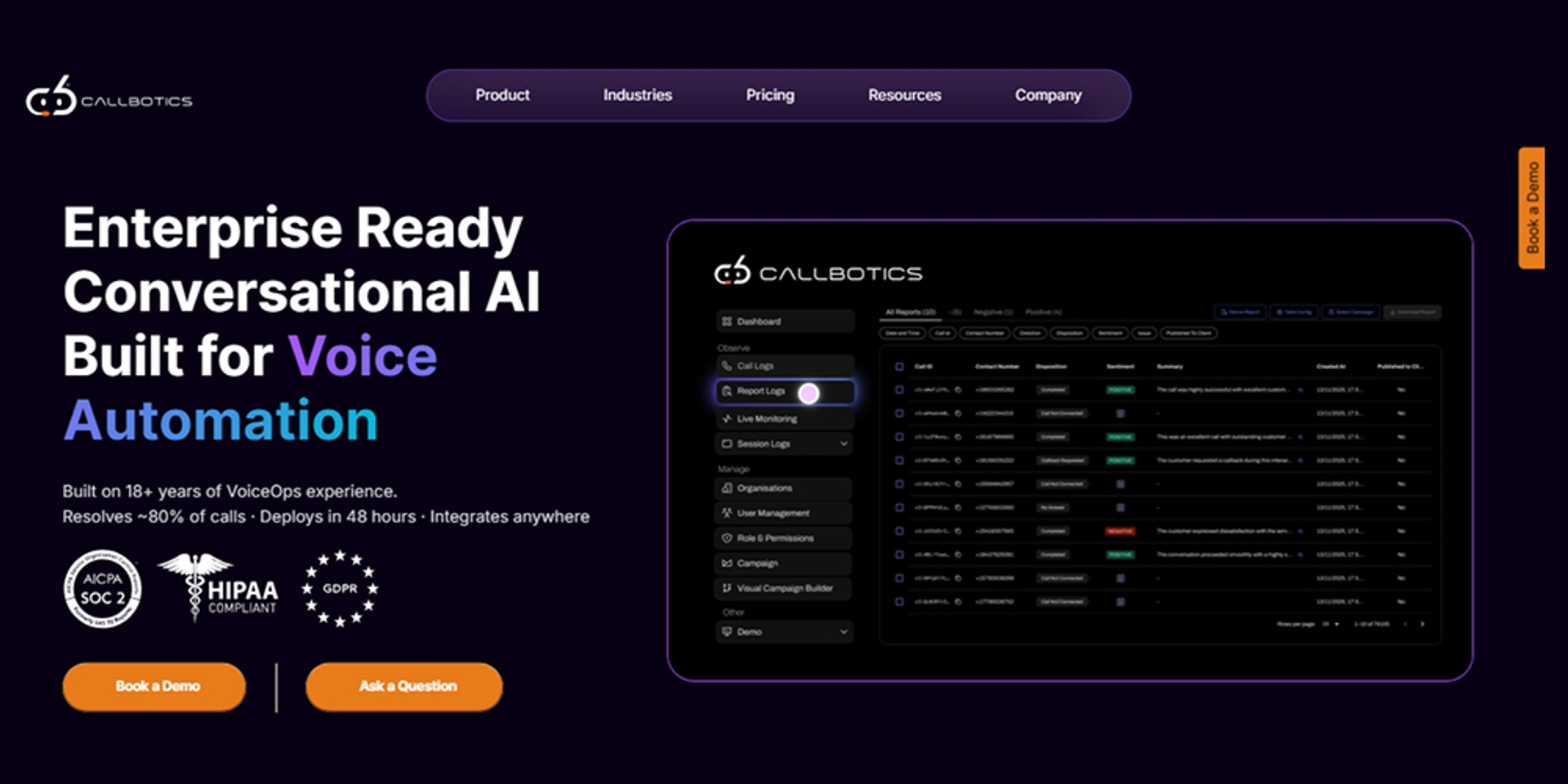
Best for: Enterprise teams that want speech analytics connected to AI voice resolution, QA, and operational workflows
CallBotics is a strong fit for enterprise contact centers that want more than post-call analysis. Traditional speech analytics platforms help teams understand what happened after customer conversations. CallBotics goes further by helping teams connect conversation visibility with live AI voice agents, Agent Assist, call summaries, QA, analytics, dashboards, integrations, and governed escalation.
CallBotics positions itself as an enterprise-ready conversational AI platform built on 18+ years of contact center leadership experience. Its website highlights AI agents trained for real workflows, around 80% call automation depending on use case, and deployment in approximately 48 hours for selected workflows.
Key strengths include:
CallBotics is especially relevant for contact centers seeking speech analytics that support measurable business outcomes, not just reporting. Teams can use interaction data to monitor quality, track outcomes, review summaries, identify service patterns, and connect insights with supported customer interaction workflows.
Good fit for: Enterprise contact centers, BPOs, customer service teams, CX leaders, and operations teams that want AI voice automation with analytics, QA, summaries, dashboards, and outcome tracking.
Consideration: Teams looking only for a standalone historical speech analytics tool may still compare CallBotics with traditional analytics platforms or CCaaS-native speech analytics modules.
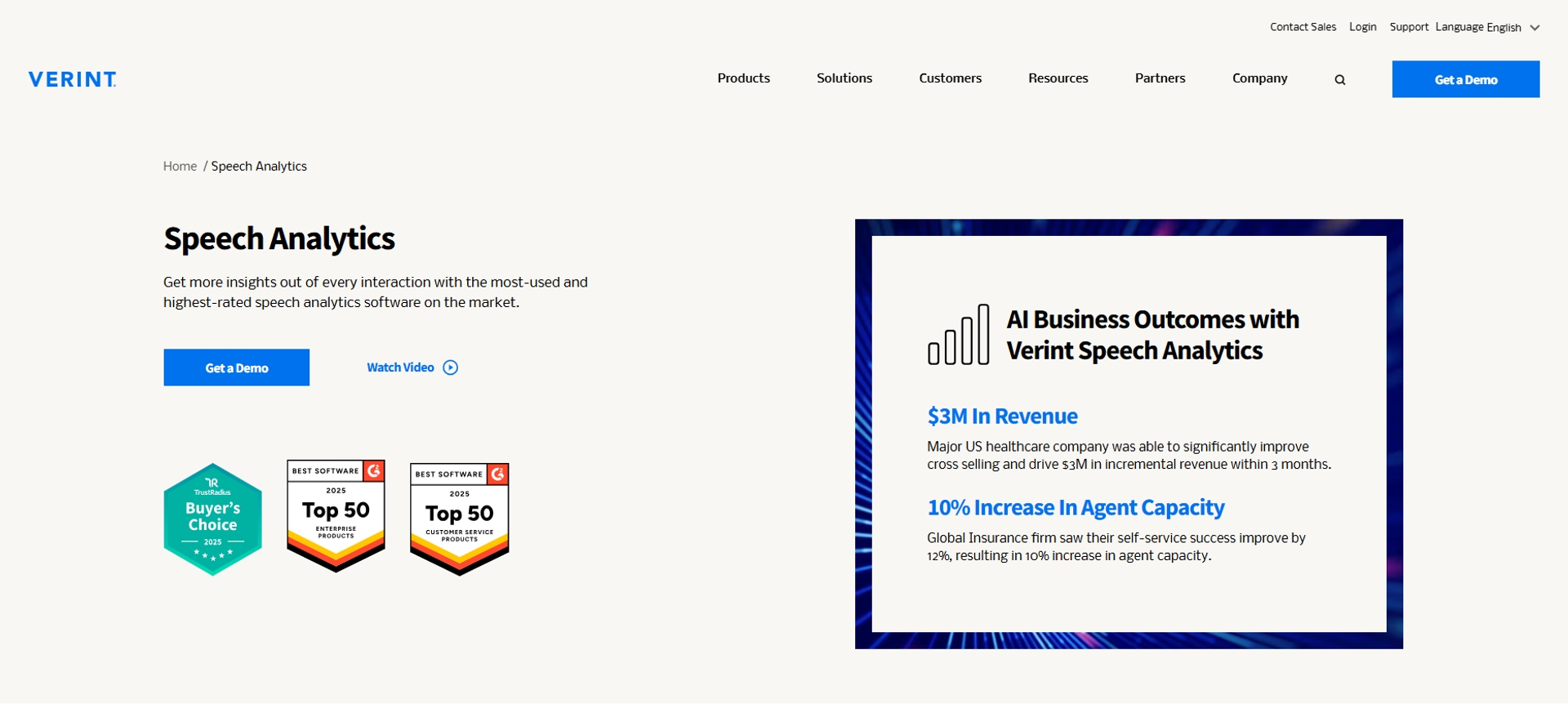
Best for: Large enterprise contact centers
Verint Speech Analytics is built for enterprise contact centers that need transcription, sentiment analysis, call categorization, compliance support, agent improvement, and operational reporting. Verint says its speech analytics helps teams transcribe and analyze millions of calls, discover customer insights, and improve contact center performance.
Verint is especially relevant for organizations that already use workforce engagement, quality, compliance, or CX automation tools.
Good fit for: Enterprise contact centers, regulated industries, workforce-focused operations, and mature QA programs.
Consideration: Verint may be better suited to larger organizations with the resources to manage a broader enterprise platform.
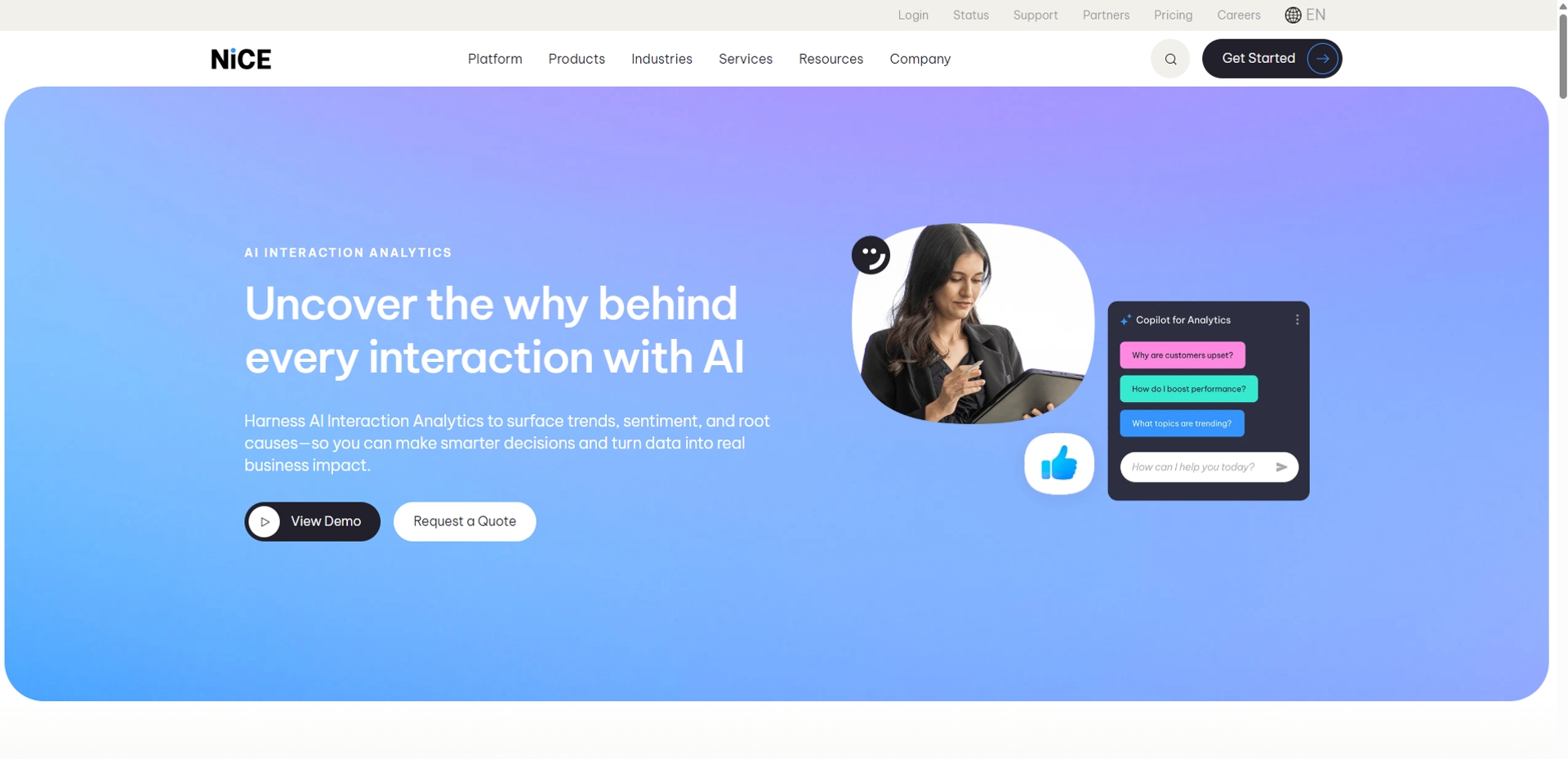
Best for: AI-enabled contact center analytics
NiCE Interaction Analytics is designed to identify trends, root causes, repeat contact drivers, churn indicators, CSAT issues, and coaching opportunities across interactions. NiCE also highlights dashboards, workflows, alerts, 100% interaction monitoring, quality improvement, and compliance visibility.
NiCE is a strong choice for teams that want speech and interaction analytics connected to broader contact center performance and CX automation.
Good fit for: Enterprise CX teams, contact centers using NiCE CXone, QA leaders, and teams focused on trend discovery and root cause analysis.
Consideration: Buyers usually get the strongest value when they are already aligned with the NiCE ecosystem.
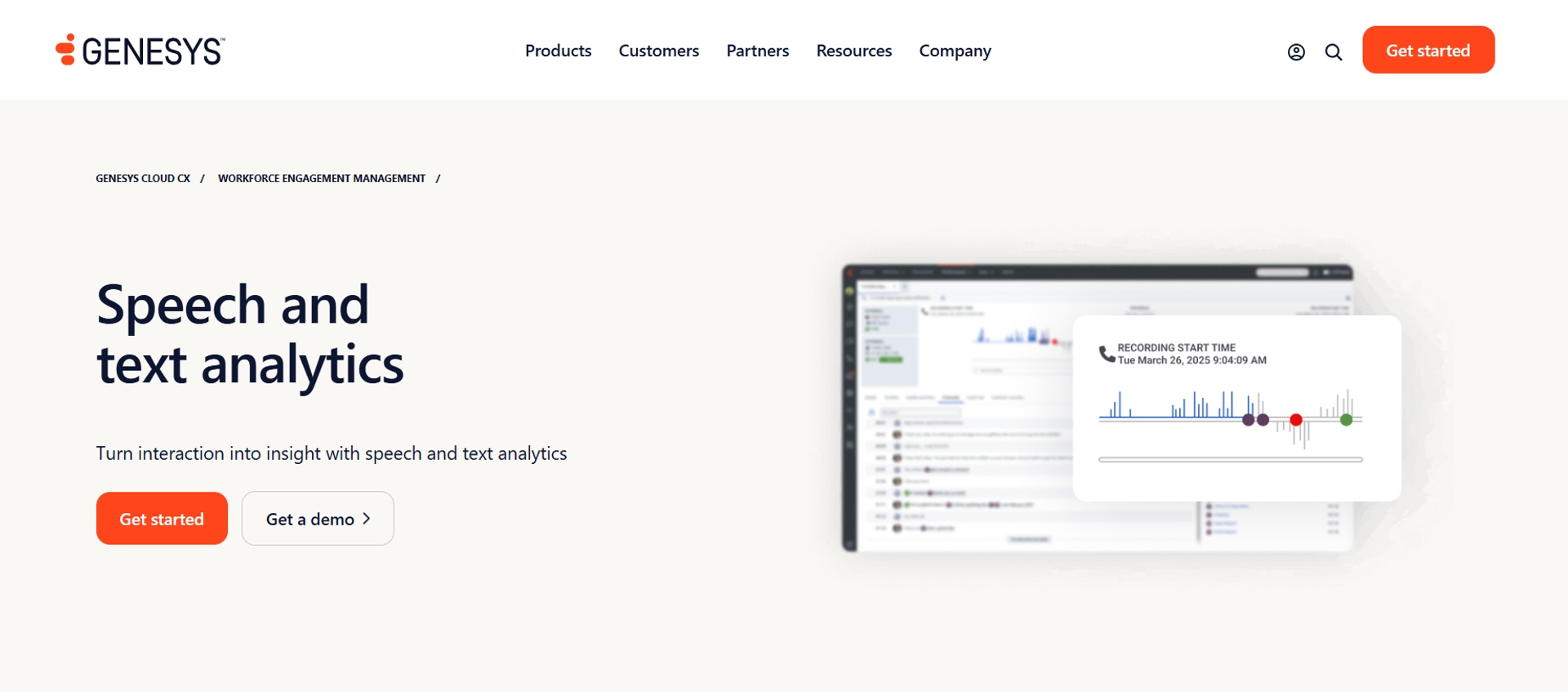
Best for: Genesys Cloud contact centers
Genesys Cloud Speech and Text Analytics fits teams already running service operations on Genesys Cloud. It supports voice transcription, sentiment analysis, topic spotting, and interaction insight for use cases such as agent performance improvement, compliance, customer satisfaction, and business intelligence.
Genesys is useful when analytics should sit close to routing, workforce engagement, customer service operations, and existing Genesys workflows.
Good fit for: Genesys Cloud users, enterprise support teams, and contact centers that want native analytics inside their existing platform.
Consideration: Teams outside the Genesys ecosystem may prefer a platform with broader standalone analytics flexibility.
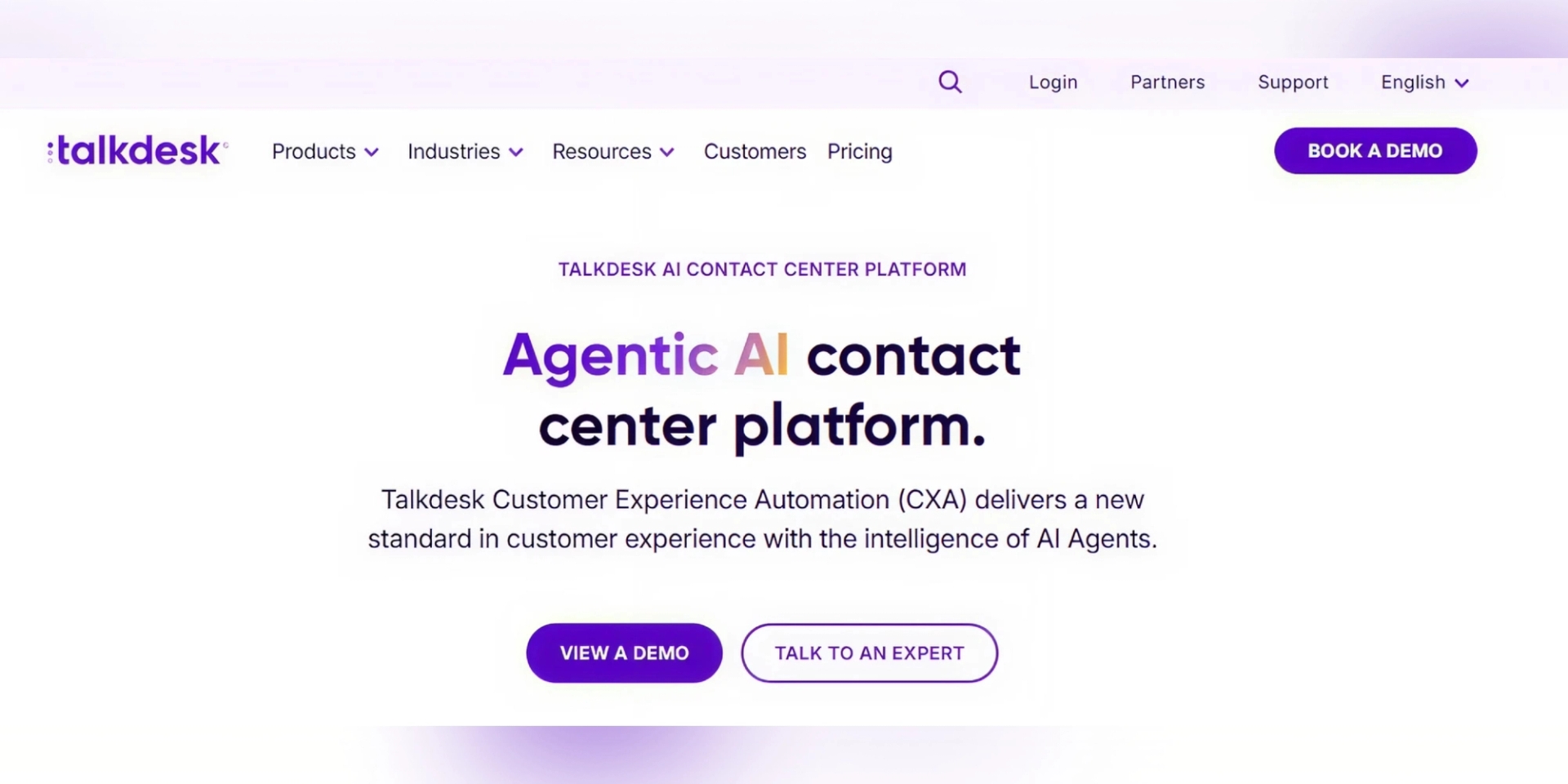
Best for: Fast setup and CX analytics
Talkdesk Interaction Analytics reviews customer conversations to identify topics, sentiment trends, and emerging patterns. Talkdesk says its interaction analytics can uncover insights and automation opportunities without setup, helping teams improve customer experience and operational performance.
Talkdesk is useful for CX teams that want faster visibility into customer conversations without building a heavy analytics program from scratch.
Good fit for: Talkdesk users, mid-market and enterprise contact centers, CX teams, and operations teams that want quick topic and sentiment visibility.
Consideration: Teams with highly specialized reporting or compliance needs may want to compare their depth against more dedicated analytics platforms.
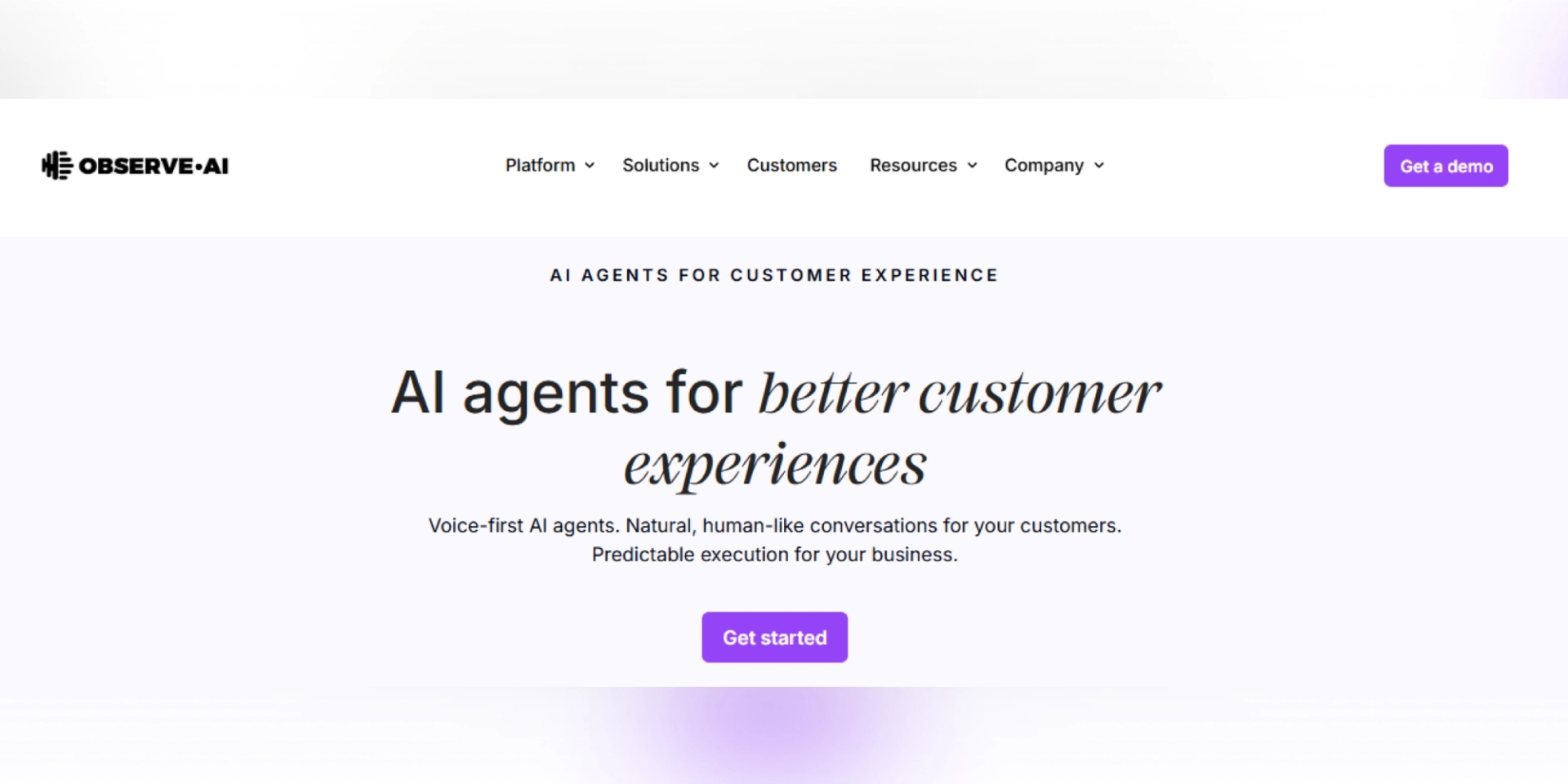
Best for: QA and coaching workflows
Observe.AI is closely connected to QA, performance monitoring, coaching, and contact center conversation intelligence. Observe.AI describes contact center speech analytics as technology that transcribes 100% of voice calls using AI and derives insights, trends, and metrics from each call.
Observe.AI is especially useful for teams that want to move beyond random QA samples and evaluate more conversations consistently.
Good fit for: QA teams, coaching teams, BPOs, contact centers, and teams focused on agent performance.
Consideration: Teams looking primarily for broader CX research or VoC program management may prefer a CX-focused analytics platform.
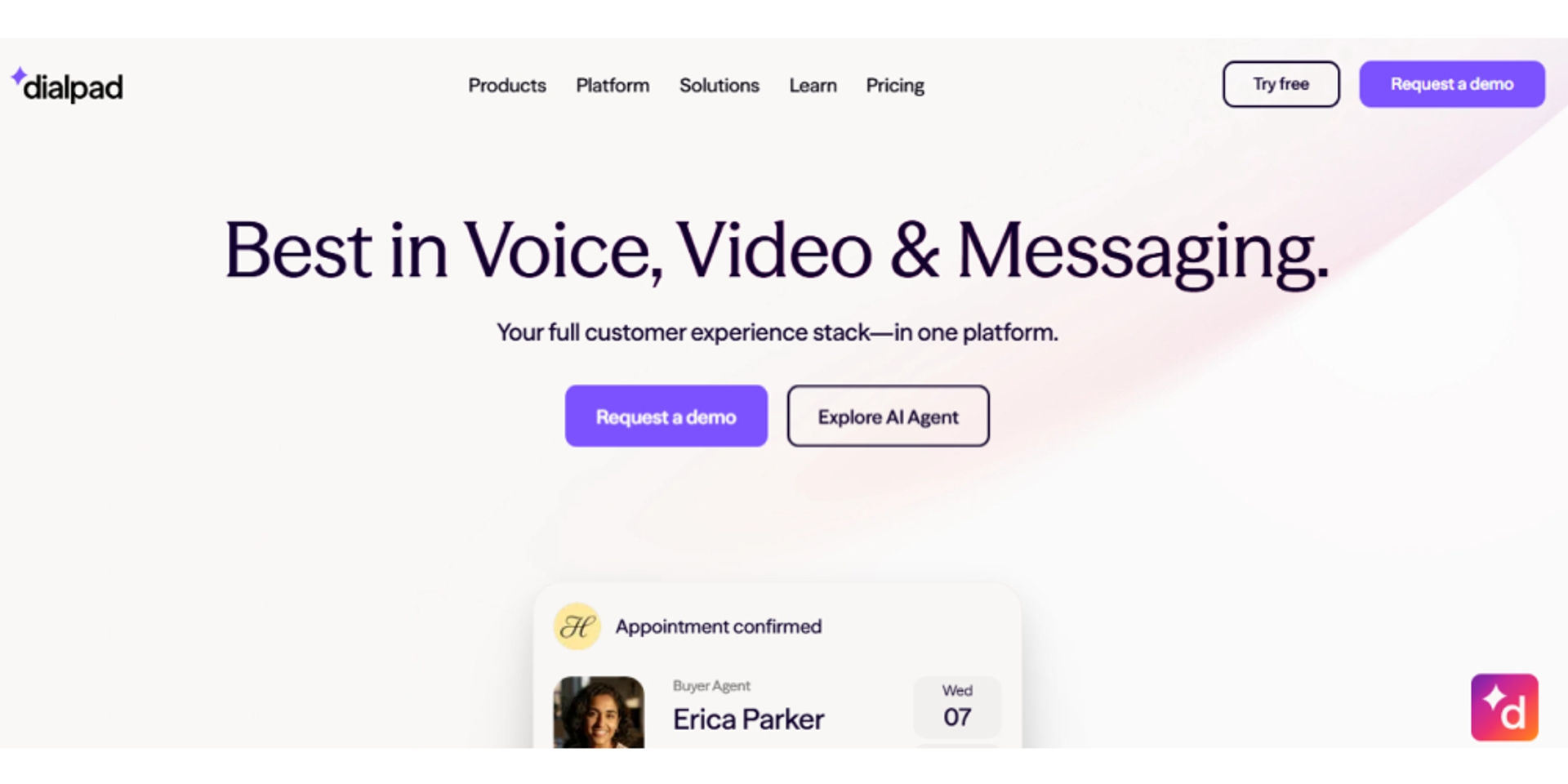
Best for: Real-time speech insights
Dialpad AI is strong for teams that want speech analytics built into live communication workflows. Dialpad highlights real-time transcription, call scoring, sentiment analysis, AI recaps, and action items as part of its AI capabilities.
Dialpad is useful when teams want immediate insights during and after calls, not only post-call reporting.
Good fit for: Support teams, sales teams, and service teams already using Dialpad for communications.
Consideration: Large enterprise analytics teams should compare its reporting depth against dedicated speech analytics and enterprise contact center analytics platforms.
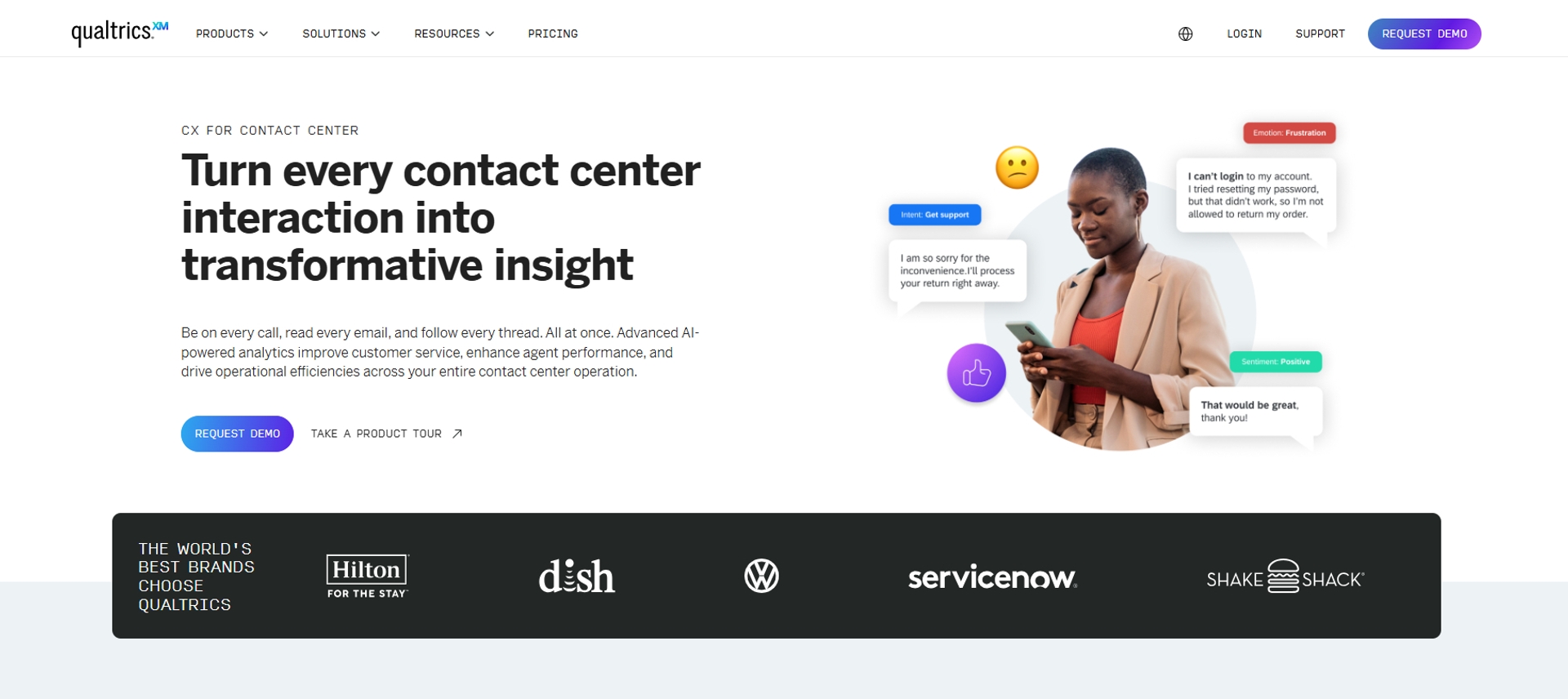
Best for: CX-focused analytics programs
Qualtrics Contact Center Analytics is a strong option for organizations that view speech analytics as part of a broader customer experience program. Qualtrics positions its contact center analytics around AI-powered insight that improves service, agent performance, and operational efficiency across contact center operations.
Qualtrics fits teams that want to connect call insights with surveys, feedback, customer journeys, and broader VoC programs.
Good fit for: CX leaders, VoC teams, enterprise service organizations, and brands focused on experience management.
Consideration: Teams focused only on contact center QA may find more specialized QA and speech analytics tools easier to operationalize.
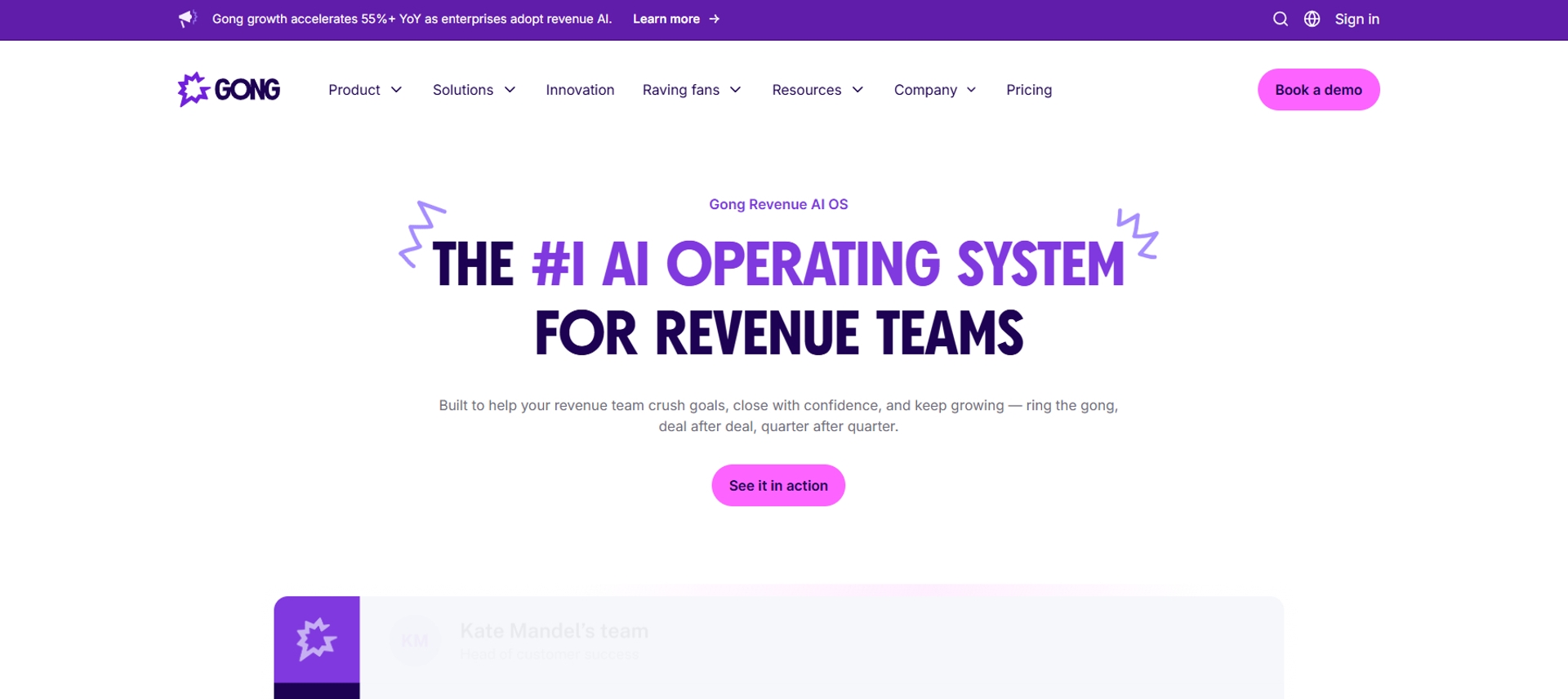
Best for: Revenue and sales conversation intelligence
Gong is not a traditional support-center speech analytics platform. It is stronger for sales and revenue teams that need automatic call recording, transcription, keyword and topic detection, sentiment analysis, talk ratio analysis, deal tracking, and pipeline insights.
Gong helps sales teams understand buyer conversations, objections, deal risks, and revenue signals.
Good fit for: Sales teams, revenue leaders, account executives, sales managers, and customer-facing revenue teams.
Consideration: Support contact centers with QA, compliance, escalation, and service workflow needs may need a contact-center-focused platform instead.
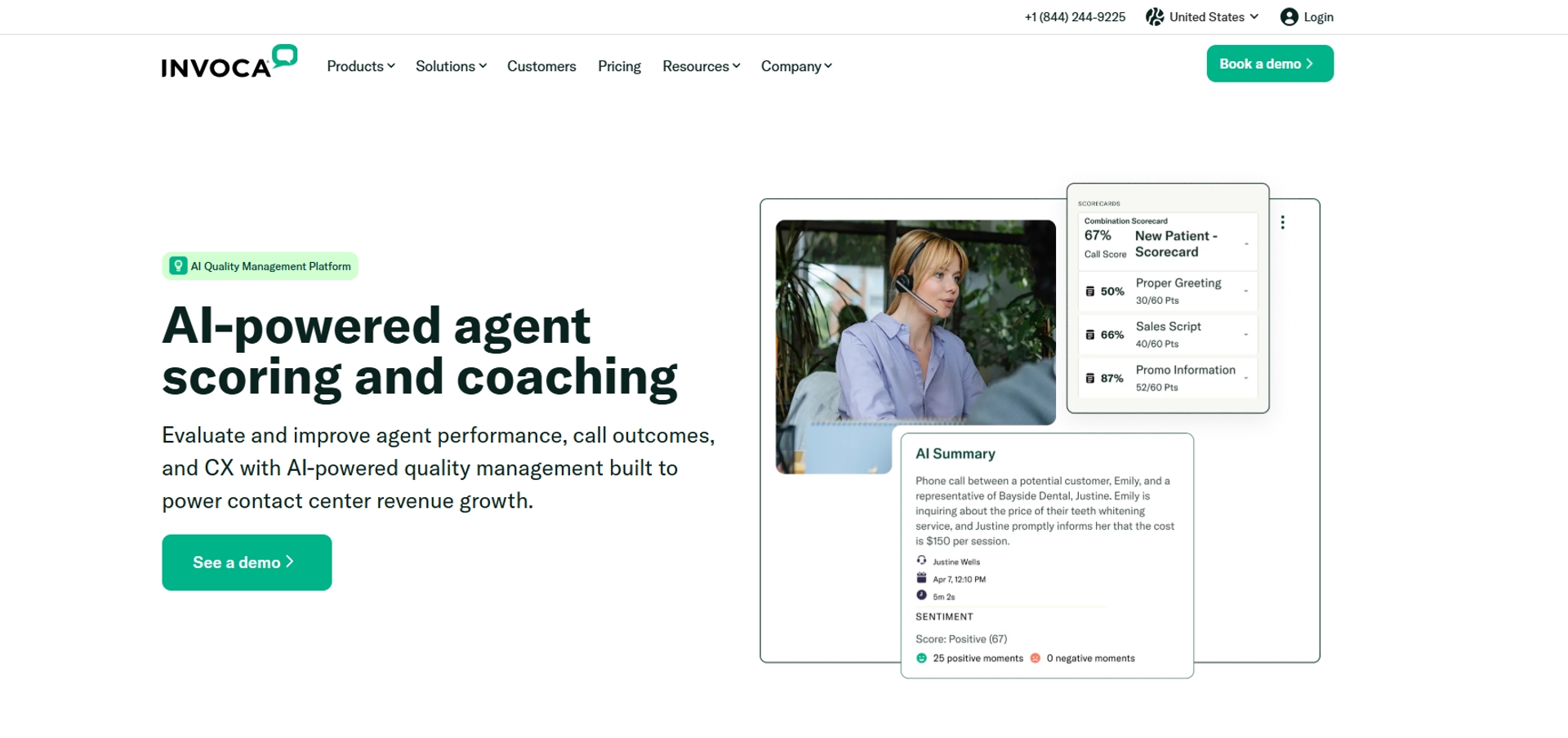
Best for: Marketing and inbound call intelligence
Invoca is built around conversation intelligence for phone calls, marketing attribution, CX, QA, and conversion insights. Invoca says its conversation intelligence software uses AI to analyze calls, improve CX, automate QA, and drive more leads, sales, and conversions.
Invoca is especially relevant for businesses where inbound phone calls are connected to campaigns, digital journeys, call tracking, and revenue conversion.
Good fit for: Marketing teams, multi-location businesses, inbound sales teams, and performance marketing programs.
Consideration: Classic service contact centers should compare their QA and operations depth against tools built primarily for support environments.
Best for: Teams buying broader CX software
Some buyers do not purchase speech analytics as a standalone tool. They choose speech analytics as part of a broader CCaaS, CX, workforce engagement, or contact center platform.
Platforms such as Verint, NiCE, Genesys, Talkdesk, and Dialpad can make sense when analytics needs to stay close to routing, workforce management, QA, reporting, and existing customer service infrastructure.
Good fit for: Teams already committed to one ecosystem.
Consideration: Broader suites may offer operational convenience, while specialized platforms may offer more depth in analytics, QA, or reporting.
Here is a simplified comparison of the top speech analytics tools, highlighting their strongest use cases and core capabilities. Use this table as a shortlist guide before reviewing each platform in more detail.
| Tool | Best For | Transcription Depth | Sentiment Analysis | QA And Coaching | Compliance Support | Contact Center Fit |
|---|---|---|---|---|---|---|
| CallBotics | AI voice resolution with analytics | High | High | High | High | High |
| Verint Speech Analytics | Large enterprise contact centers | High | High | High | High | High |
| NiCE Interaction Analytics | AI-enabled contact center analytics | High | High | High | High | High |
| Genesys Cloud Speech And Text Analytics | Genesys Cloud users | High | High | Medium-high | Medium-high | High |
| Talkdesk Interaction Analytics | Fast CX analytics setup | High | High | Medium-high | Medium | High |
| Observe.AI | QA and coaching workflows | High | Medium-high | High | High | High |
| Dialpad AI | Real-time speech insights | High | High | Medium-high | Medium | Medium-high |
| Qualtrics Contact Center Analytics | CX and VoC programs | Medium-high | High | Medium | Medium | Medium-high |
| Gong | Sales conversation intelligence | High | Medium-high | Sales-focused | Low-medium | Medium |
| Invoca | Marketing call intelligence | High | High | Medium-high | Medium | Medium |
| Hybrid platform suites | Broader CX platforms | Varies | Varies | Varies | Varies | Varies |
Different teams buy speech analytics software for different reasons. A large enterprise contact center may need QA and compliance visibility, while a sales team may need deal insights, and a CX team may care more about sentiment and journey friction.
Choosing by use case helps buyers avoid overbuying or selecting a tool that looks strong in demos but does not fit the team’s actual operating model.
CallBotics, Verint, NiCE, Genesys, and Talkdesk are strong options for enterprise contact centers.
CallBotics is especially useful when analytics needs to connect with AI voice workflows and customer interaction outcomes. Verint, NiCE, Genesys, and Talkdesk are strong when analytics needs to sit inside broader contact center, CX, or workforce ecosystems.
Observe.AI, CallBotics, Verint, and NiCE are strong options for QA and coaching.
Observe.AI is a clear fit for teams focused on QA workflows and agent performance. CallBotics is useful when QA, summaries, analytics, and resolution tracking need to connect with AI-handled interactions and operational dashboards.
NiCE, Qualtrics, Talkdesk, Genesys, and CallBotics are strong fits for CX and sentiment insights.
These tools help leaders understand customer friction, sentiment trends, repeat-contact drivers, and the root causes of service issues.
Gong is the strongest fit for sales conversation intelligence. It is built around revenue conversations, buyer sentiment, topics, talk ratio, deal risk, and pipeline insight.
Invoca is also valuable when inbound calls are connected to campaigns, digital journeys, and conversion outcomes.
Looking beyond post-call analytics? CallBotics helps enterprise teams resolve customer interactions, generate summaries, monitor QA, track outcomes, and connect analytics with AI voice workflows.Choosing the right platform starts with understanding what your team needs to improve. The best option is not always the platform with the longest feature list, but the one that fits your workflows, reporting needs, compliance requirements, and existing contact center setup.
A practical buying decision should start with the business outcome. Some teams need more QA coverage. Others need faster root cause analysis, compliance monitoring, sales coaching, customer sentiment visibility, or AI voice resolution.
CallBotics is a strong choice when your team wants to move beyond analyzing calls after the fact.
It fits contact centers that want AI agents, Agent Assist, summaries, QA, dashboards, integrations, and governed escalation connected to live customer interaction workflows.
Staying inside your current ecosystem can make sense when your team already uses Genesys, Talkdesk, Dialpad, NiCE, or another contact center platform.
Native analytics may reduce integration work and make adoption easier for supervisors, QA teams, and agents.
Look for automated scoring, policy checks, required phrase detection, evaluation workflows, coaching queues, audit trails, and reporting by agent, queue, topic, and risk category.
Observe.AI, Verint, NiCE, and CallBotics are strong options depending on whether your QA program is focused on human-agent review, AI interactions, or both.
Sales teams usually need conversation intelligence more than classic contact center speech analytics.
Gong is better for risk management, buyer sentiment, objection tracking, sales coaching, and pipeline visibility. Invoca is better when inbound calls are connected to campaigns and conversion journeys.
Speech analytics can create strong operational value, but only when teams know how they will use the insights. Many buying mistakes happen when teams focus too much on transcription and not enough on workflow fit, reporting depth, ownership, and action after implementation.
The right platform should help teams improve operations, not just collect call data.
Transcription matters, but it is only the first layer. Teams also need sentiment analysis, topic detection, QA workflows, compliance monitoring, reporting, and business insight.
A platform may produce insights, but the value depends on whether supervisors, agents, QA teams, compliance teams, and leaders can use them in daily workflows.
Basic dashboards may not be enough. Mature teams often need reporting by topic, queue, agent, sentiment, compliance risk, escalation, call outcome, repeat contact, and customer effort.
Speech analytics needs ongoing management. Someone must review trends, update categories, refine scorecards, align insights with business goals, and turn findings into action.
Speech analytics shows what is happening. Operational improvement comes when teams use those insights to improve coaching, routing, workflow design, escalation, automation, and resolution quality.
Speech analytics platforms help teams understand what happened across customer conversations. CallBotics fits into this discussion by helping teams act on those insights through AI voice agents, Agent Assist, summaries, QA, dashboards, integrations, and governed customer interaction workflows.
CallBotics is not positioned as a traditional standalone speech analytics platform. Its value is broader because it connects analytics with operational execution. For enterprise contact centers, that means customer conversations can be analyzed, summarized, monitored, measured, and connected to supported resolution workflows.
CallBotics is built around enterprise customer service operations and resolution with operational control. Its platform combines AI Agents, Agent Assist, Voice of Customer intelligence, built-in QA, analytics, dashboards, integrations, and white-glove implementation.
Key differentiators include:
The best speech analytics software in 2026 depends on your operating model, customer interaction volume, team structure, and business goals. Dedicated analytics platforms are useful for deep insight, while broader suites can work well when analytics needs to stay close to existing contact center workflows.
CallBotics leads this list because it connects speech analytics with AI voice resolution, QA, summaries, dashboards, integrations, and operational workflows. Verint, NiCE, Genesys, and Talkdesk remain strong contact-center-centered options, while Observe.AI is a strong QA and coaching fit. Gong and Invoca are better suited for sales and marketing-focused conversation intelligence.
The bigger question for enterprise teams is not only which platform analyzes conversations best. The real question is how those insights improve resolution, QA, coaching, compliance, escalation, customer experience, and operational performance.

Urza Dey (She/They) is a content/copywriter who has been working in the industry for over 5 years now. They have strategized content for multiple brands in marketing, B2B SaaS, HealthTech, EdTech, and more. They like reading, metal music, watching horror films, and talking about magical occult practices.
See how enterprises automate calls, reduce handle time, and improve CX with CallBotics.
CallBotics is an enterprise-ready conversational AI platform, built on 18+ years of contact center leadership experience and designed to deliver structured resolution, stronger customer experience, and measurable performance.